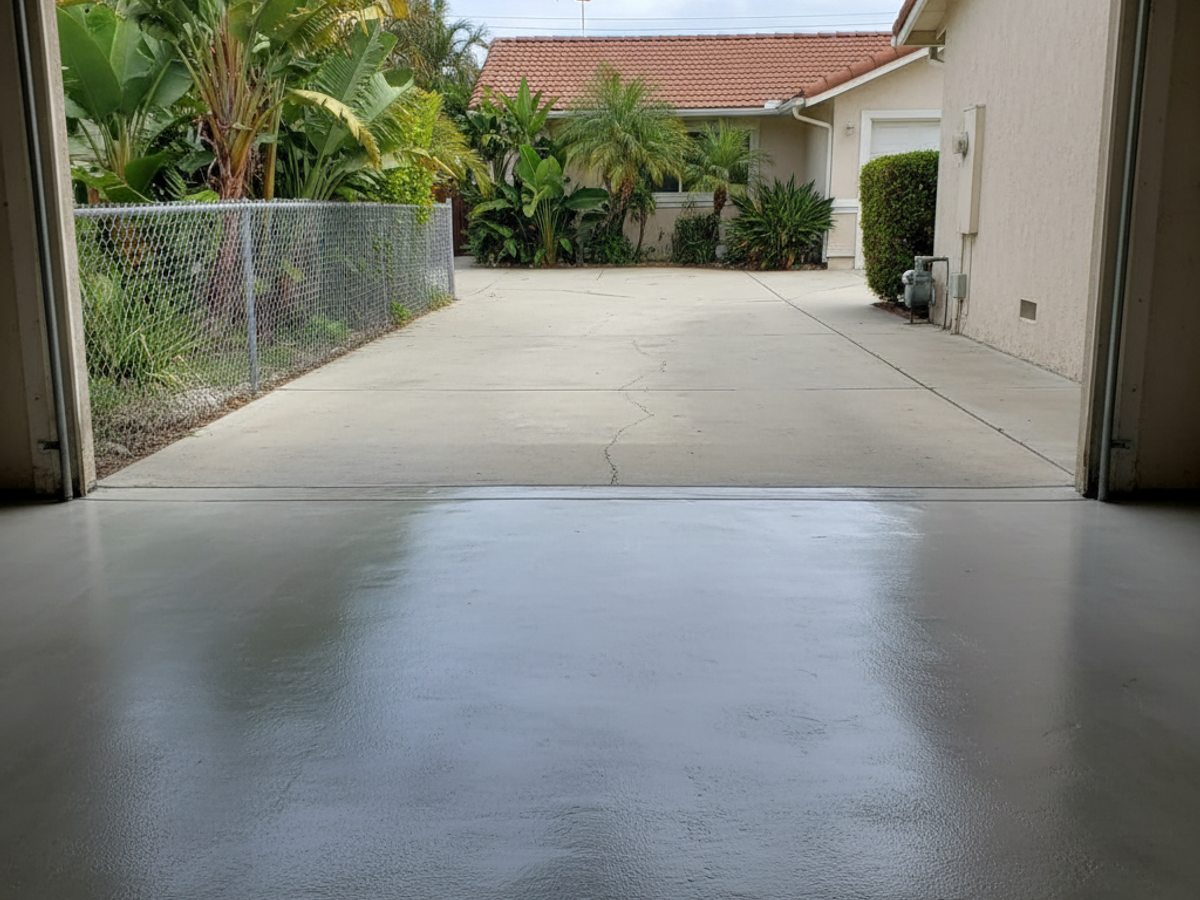
What Is Concrete?
Concrete is a composite material made from cement, water, sand, and aggregates such as gravel or crushed stone. When these ingredients are mixed together, a chemical reaction called hydration occurs, causing the concrete to harden into a strong, durable surface.
Modern concrete can also include additives that improve strength, flexibility, curing time, and resistance to weather conditions.
Common Types of Concrete
Standard Concrete
Standard concrete is commonly used for patios, sidewalks, driveways, and residential foundations. It provides excellent durability at an affordable cost.
Reinforced Concrete
Reinforced concrete contains steel rebar or wire mesh to increase its tensile strength. It is ideal for foundations, retaining walls, and structural applications.
Stamped Concrete
Stamped concrete mimics the appearance of brick, natural stone, slate, or wood while offering the durability of concrete. It's a popular choice for patios, pool decks, and walkways.
Decorative Concrete
Decorative concrete includes stained, polished, or textured finishes that enhance the appearance of residential and commercial properties.
High-Strength Concrete
Designed for heavy-duty applications, high-strength concrete is commonly used in commercial buildings, bridges, parking structures, and industrial facilities.
Benefits of Concrete
Concrete remains one of the most popular construction materials because it offers numerous advantages.
Exceptional durability
Long service life
Low maintenance requirements
Weather resistance
Fire resistance
Energy efficiency
Versatile design options
Cost-effective over the long term
Properly installed concrete can last several decades with minimal maintenance.
Popular Residential Concrete Projects
Homeowners frequently choose concrete for:
Driveways
Sidewalks
Patios
Garage floors
Pool decks
Retaining walls
Foundations
Steps
Walkways
Concrete can also increase curb appeal and property value when professionally designed and installed.
Commercial Applications
Businesses rely on concrete for its strength and reliability in:
Parking lots
Loading docks
Warehouse floors
Office building foundations
Retail storefronts
Commercial sidewalks
Industrial facilities
Public infrastructure
Commercial concrete is engineered to withstand heavy traffic and demanding environments.
How Long Does Concrete Last?
The lifespan of concrete depends on installation quality, climate, and maintenance. In general:
Driveways: 30–40 years
Sidewalks: 30–50 years
Foundations: 50–100+ years
Commercial slabs: 40–60 years
Routine maintenance can significantly extend the life of concrete surfaces.
Tips for Maintaining Concrete
To keep concrete looking and performing its best:
Clean surfaces regularly.
Seal concrete every few years.
Repair small cracks promptly.
Avoid excessive deicing chemicals during winter.
Prevent water from pooling on the surface.
Remove oil or chemical spills quickly.
Preventive maintenance helps reduce costly repairs and extends the lifespan of your investment.
Signs You May Need Concrete Repair
Watch for these warning signs:
Cracks expanding over time
Uneven or sunken slabs
Surface scaling or flaking
Pooling water
Large potholes
Exposed reinforcement
Significant discoloration
Addressing problems early often prevents more expensive repairs later.
Choosing the Right Concrete Contractor
Hiring an experienced contractor is just as important as choosing quality materials. Look for professionals who offer:
Licensed and insured services
Years of industry experience
High-quality materials
Transparent pricing
Positive customer reviews
Written estimates
Warranty on workmanship
A reputable contractor will ensure your project is completed safely, efficiently, and built to last.
Final Thoughts
Concrete is a smart investment for both residential and commercial properties. Its durability, versatility, and long-term value make it one of the most reliable building materials available. Whether you're installing a new driveway, building a patio, or constructing a commercial foundation, choosing quality materials and professional installation will help ensure lasting results for years to come.